











Jonathan E. Meislin, Esq.
Personal Injury Attorney

Alivia E. Abreu, Esq.
Personal Injury Attorney

Marcelis E. Morris, Esq.
Personal Injury Attorney
Did You Know?
After a car accident, your body’s adrenaline can mask serious injuries. It’s common for concussions, whiplash, and other soft tissue injuries to surface days or even weeks later. That’s why early medical care matters even if you feel “fine” at first. Prompt treatment protects your health and helps clearly connect any later symptoms to the crash.


John Morgan
Attorney, Founder

Alyssa Mendoza
Personal Injury Lawyer
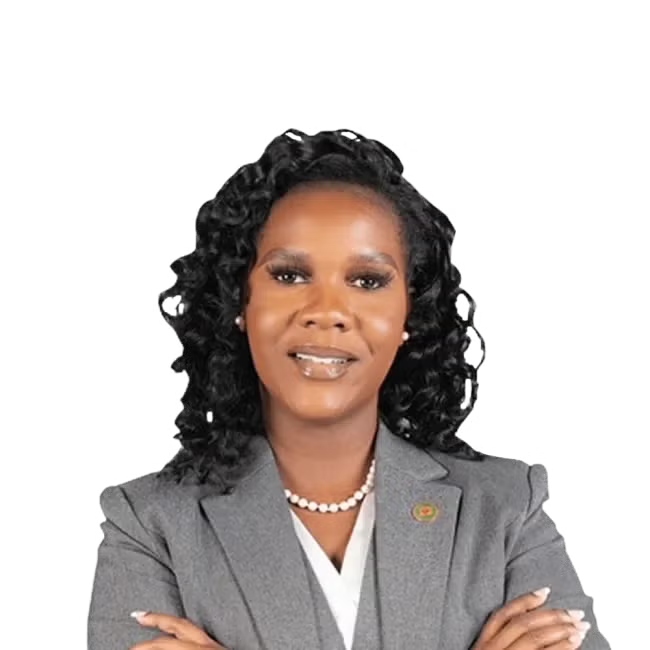
Ashley Nelson
Personal Injury Lawyer

Did you know?
After an accident, insurance companies often reach out quickly for a recorded statement. What matters most is what you do not say. Avoid speculating about fault or downplaying your injuries. Our best advice? When possible consult with an injury attorney before, not after, you give a full statement to your insurance company.


Find an auto accident and injury lawyer near you







California Motor Vehicle Accident & Personal Injury FAQs
What should I do after a car accident in California?
If you are able, gather basic information from everyone involved, including names, contact details, insurance information, and vehicle details. Take photos of the scene, the vehicles, and any visible injuries, and get contact information for any witnesses.
Try to avoid admitting fault or apologizing at the scene, even casually. It is natural to want to be polite, but statements like this can be misunderstood later.
Even if you feel okay, it's a good idea to seek medical care as soon as possible. It's not unusual for injuries to take time to show symptoms, and early medical documentation can be important.
You should notify your insurance company that the accident occurred, but be cautious about giving recorded statements, speculating about fault, or discussing the details of your injuries before speaking with a lawyer. Insurance companies may ask questions that seem routine but can affect your claim.
Finally, consider speaking with a lawyer who handles car accident cases. Many people start by searching online for a car accident lawyer near them, and an early conversation can help you understand your options, protect your rights, and avoid common mistakes, even if you are not sure yet whether you want legal representation.
Do I need a personal injury lawyer after a car accident?
That said, it's a good idea to at least talk with a personal injury lawyer if you went to the ER or urgent care, you are still dealing with pain days later, you missed work, the other driver is disputing fault, or the insurance company is asking for a recorded statement or pushing you to settle quickly.
A short conversation can help you understand what your claim may be worth, what to avoid saying to insurance adjusters, and whether you are at risk of being underpaid for your claim. Most Car Accident attorneys offer free consultations, so in many cases the cost of getting clarity is simply the time it takes to have the conversation.
How can a lawyer help me after a car accident?
After an accident, a lawyer can help by gathering and preserving evidence, obtaining police reports and medical records, and communicating with insurance companies on your behalf. This includes handling recorded statements, paperwork, and negotiations so you don’t have to worry about saying the wrong thing or missing something important.
Lawyers also help make sure injuries are properly documented and that the full impact of the accident is considered. That includes not just current medical bills, but future care, time missed from work, and how the injury has affected your daily life. Insurance companies often focus on resolving claims quickly; a lawyer’s job is to make sure the claim is evaluated fairly.
If there are disputes about fault, coverage issues, or pushback from an insurer, an attorney can step in to protect your interests and, if necessary, pursue the case through litigation. Many cases still resolve without going to court, but having someone prepared to take that step can make a difference.
Even if you’re unsure whether you want to move forward with a claim, a consultation can help you understand your options and avoid early mistakes. Most firms offer free consultations, so getting advice early usually costs nothing.
How much does it cost to hire a car accident lawyer?
If they do recover money for you, their fee is paid out of the settlement or verdict. The fee can be significant, so many people reasonably want to know whether hiring a lawyer is worth it.
For many people, the answer comes down to results. A personal injury attorney can often increase the overall amount of your recovery because this is what they are trained to do. They know how to properly document injuries, work with medical providers, deal with insurance adjusters, and push back when an insurer tries to settle a case too early or for too little.
How long do I have to contact a lawyer after a car accident?
Getting good advice early can help preserve evidence, obtain crash reports, identify witnesses, and avoid common mistakes such as giving a recorded statement to an insurance company or accepting a settlement before the full extent of your injuries is known.
Importantly, California law sets strict deadlines for filing injury-related lawsuits, known as statutes of limitations. In most California personal injury cases, you generally have two years from the date of the accident to file a lawsuit. Some situations involve even shorter deadlines, such as claims against government entities, which may require notice within a matter of months. Missing the applicable deadline can permanently prevent you from recovering compensation.
The reality is that waiting too long can create real challenges. Evidence may be lost, witnesses can become harder to locate, and medical records may not clearly link your injuries to the accident. Insurance companies also tend to take delayed claims less seriously. Speaking with a lawyer early can help protect your rights—even if you ultimately decide not to move forward with a case.
How much is my car wreck case worth?
First and most obviously, it comes down to the injuries. What kind of injury did you suffer and what medical treatment did you need? Was it a single ER visit, or is treatment ongoing? Did you miss work? How seriously did the injuries affect your day-to-day life? These details tend to be the biggest drivers of case value.
Second, insurance coverage matters more than most people realize. In many cases, the amount of available insurance plays a major role in what can realistically be recovered, regardless of how serious the injuries are.
Third, in a motor vehicle accident, the type of vehicle involved can make a big difference. Accidents involving commercial vehicles, such as trucks, delivery vans, or rideshare vehicles like Uber or Lyft, may involve higher insurance limits than standard car accidents.
Finally, there are the financial and personal losses caused by the accident. This can include medical bills, the cost of future care, lost income, and the pain, limitations, and disruption the injury has caused in your life.
Again, it's important to keep in mind that every case is different, and online information about average settlements is often misleading. A brief conversation with an injury lawyer can help you understand how these factors apply to your situation and what a realistic value for your case might look like.
What if I was partly at fault for the accident?
California follows what’s called a 'modified comparative negligence' rule. In simple terms, you can still recover compensation as long as you were not more at fault than the other party. Under the rule, if you are found to share some responsibility, your recovery is typically reduced by your percentage of fault.
For example, if you were found to be 20% at fault for the crash, your compensation would usually be reduced by 20 percent. If you were found to be more than 50 percent at fault, you generally would not be able to recover compensation.
Of course, fault is not always clear at the time of an accident, and it is often disputed later. Insurance companies may try to assign more blame than is fair in order to reduce what they have to pay. Things like recorded statements, posting about the accident on social media, making casual comments about fault at the scene of the accident, or incomplete information can affect how fault is evaluated.
This is one area where early guidance can be especially helpful. An injury lawyer can review what happened, explain how fault may be assessed, and help protect against being unfairly blamed for an accident that was not primarily your fault.
How long do most accident or personal injury cases take?
Some cases resolve within a few months, especially when injuries are relatively minor and fault is clear. Other cases take longer, particularly when injuries are more serious, medical treatment is ongoing, or there are insurance or liability disputes that need to be worked through.
One of the biggest factors is medical treatment. In many situations, it makes sense to wait until doctors have a clear understanding of the injury and your future care needs before trying to resolve a claim. Reaching an agreement too early can mean leaving important medical costs or long-term impacts from your injury unaccounted for in the final settlement.
The type of accident can also affect timing. Cases involving commercial vehicles, trucks, rideshare vehicles, or multiple parties often take longer because there are more insurance policies and more investigation work that needs to be done.
Disagreements over fault or pushback from an insurance company can add time as well. If a lawsuit becomes necessary, that can extend the process, though most cases resolve before reaching trial.
An attorney for Car Accident claims can usually give a more realistic sense of timing once they understand the injuries, treatment plan, and insurance issues involved.
What types of accident and injury cases do personal injury law firms handle?
Car Accidents
Injuries resulting from collisions on major roadways and highways throughout Los Angeles and California, including freeways such as I-5, I-10, I-405, US-101, and surrounding surface streets. These crashes are often caused by distracted driving, speeding, impaired driving, or failure to follow traffic laws.
Truck Accidents
Cases involving semi-trucks, 18-wheelers, tractor-trailers, and other commercial trucks. Truck accidents often lead to serious or catastrophic injuries and may involve multiple liable parties, including trucking companies, drivers, maintenance providers, and insurers.
Motorcycle Accidents
Claims arising from motorcycle crashes caused by negligent drivers or unsafe road conditions. These wrecks frequently result in severe injuries due to the limited protection available to riders.
Rideshare Accidents (Uber and Lyft)
Injuries involving Uber or Lyft drivers, passengers, or pedestrians. Rideshare accidents can raise complex insurance and liability issues depending on the driver’s status at the time of the crash and whether the rideshare driver was at fault for the accident or not.
Pedestrian and Bicycle Accidents
Cases where pedestrians or cyclists are struck by vehicles, often resulting in serious or life-altering injuries, particularly in densely populated urban areas such as Los Angeles and other California cities.
Bus Accidents
Crashes involving public transit buses, school buses, tour buses, or private bus companies, which may involve government entities, commercial insurers, or third-party operators.
Commercial Vehicle Collisions
Accidents involving delivery vans and fleet vehicles operated by companies such as Amazon, UPS, FedEx, and other businesses throughout California.
Catastrophic Injury and Wrongful Death Claims
High-impact crashes that result in traumatic brain injuries, spinal cord injuries, permanent disability, or death. These cases often require experienced legal representation due to their complexity and long-term consequences.
Because each accident is different, California accident law firms evaluate the specific facts of a case to determine liability, available insurance coverage, and potential legal options for injured individuals and their families.
What makes truck or commercial vehicle accidents more complicated than a regular car crash?
Unlike a typical car accident, a commercial vehicle accident may involve a trucking company, a delivery company, a contractor, or multiple insurance policies in addition to the driver. Vehicles operated by companies like Amazon, UPS, FedEx, or other commercial carriers often carry higher insurance limits, but accessing that coverage can be more complex.
These cases also tend to require more investigation. Evidence like driver logs, vehicle maintenance records, company policies, and electronic data may all be relevant, and that information is not always easy to obtain without legal help.
In addition, commercial insurers are often more aggressive in defending claims. They may dispute fault, minimize injuries, or move quickly to limit exposure. For someone dealing with injuries, this can make the process harder to manage alone.
Because of these factors, truck and commercial vehicle cases often take more time and experience to handle properly. A lawyer familiar with these types of accidents can help navigate the additional layers of insurance, responsibility, and documentation involved.
Who is responsible for my injuries if I’m hurt in an Uber or Lyft accident?
Usually, the at-fault driver is responsible, whether that is the rideshare driver or another motorist. If another vehicle caused the collision, that driver’s insurance may be the primary source of recovery. If the Uber or Lyft driver caused the crash, the available coverage often depends on the status of the Uber/Lyft app of the driver at the time.
Rideshare insurance coverage can change based on whether the driver was logged into the app, waiting for a ride request, on the way to pick up a passenger, or actively transporting a passenger. Different insurance policies may apply during each of these periods, which is what makes rideshare cases more complicated than a typical car accident.
Because multiple insurance policies and parties may be involved, sorting out responsibility and coverage is often one of the biggest challenges in these cases. An experienced Uber or Lyft accident lawyer can help identify which policies apply, determine who may be responsible, and handle communication with insurers so the claim is evaluated properly.
Who is responsible for this attorney advertisement?
Elite reviews
Editorially researched Highlights pros & cons
-
Wilshire Law Firm
Read review -
Morgan & Morgan
Read review -
Lerner & Rowe
Read review